Growing Season
GROWING SEASON, June 3-29, 2024
Growing Season exhibition is held at Taito Gallery at CraftCorner in Helsinki (Eteläesplanadi 1). The exhibition is part of Biocolours2024 conference, an international and multidisciplinary conference held in Helsinki, June 4-7, 2024.
The exhibition presents the works of 11 artists: Karin Altmann, Jonatan E. Jurkowski, Katja Syrjä, Jeanette Schäring, Krista Virtanen, Nina Nisonen, Tupu Mentu, Heidi Pietarinen & Amna Qureshi, Hannele Köngäs and Outi Mäkelä.
Bio-based colors and working with natural colors are at the center of the works of each artist. Enthusiasm is deep, work is experimental and exploratory, emanating from colors or building expression through them.
The works presented in the exhibition convey the authors’ research approach to colour, the possibilities of bio-based dyes, the history of natural colors and the new development of their use. There is also kindness to the fiber’s own color and undyed material at work.
Some of the works in the exhibition were made for the Growing Season exhibition and others were completed earlier, but were suitable for the theme and the whole of the exhibition.
The exhibition is curated by Päivi Fernström and Maija Esko.
Karin Altmann
Karin Altmann is an Austrian textile artist who studied at the University of Applied Arts Vienna, the Academy of Fine Arts Vienna and the Wimbledon School of Art in London. As both an artist and researcher, her interests are the practical and theoretical exploration and development of the textile element as a specific mediality, about its appearance and significance in art, culture, and society, but also to its potential as networking model. Since 2008, she has been a senior lecturer at the Department of Textile Arts at the University of Applied Arts Vienna, where she teaches dyeing with natural dyes, textile printing, textile production fields, and participatory formats. Besides, she has been developing and participating in a series of transcultural projects with international partners from Bhutan, Kyrgyzstan, Mexico, Japan, Mali and Ghana, and also in art projects with children, people with disabilities, refugees, and women in psychological or social need.
Email: karin.altmann@uni-ak.ac.at
Phone: +43 680 3053813
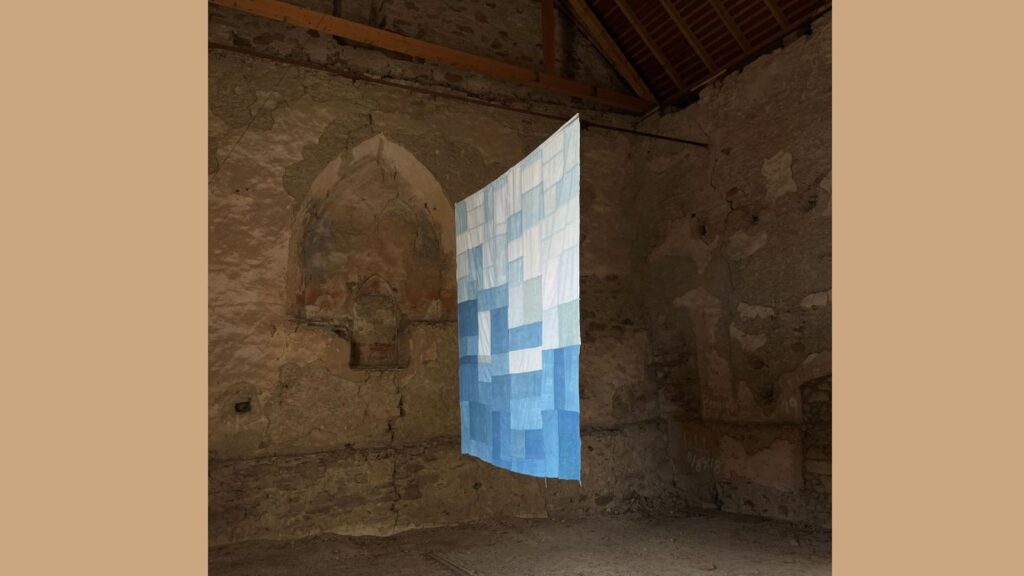
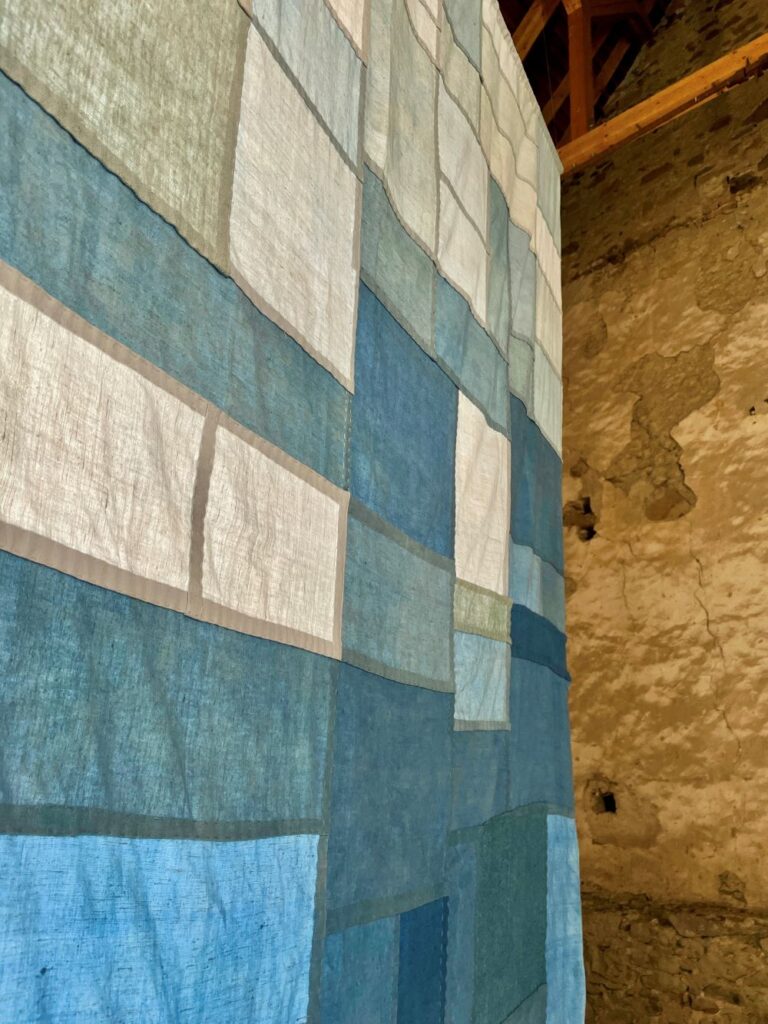
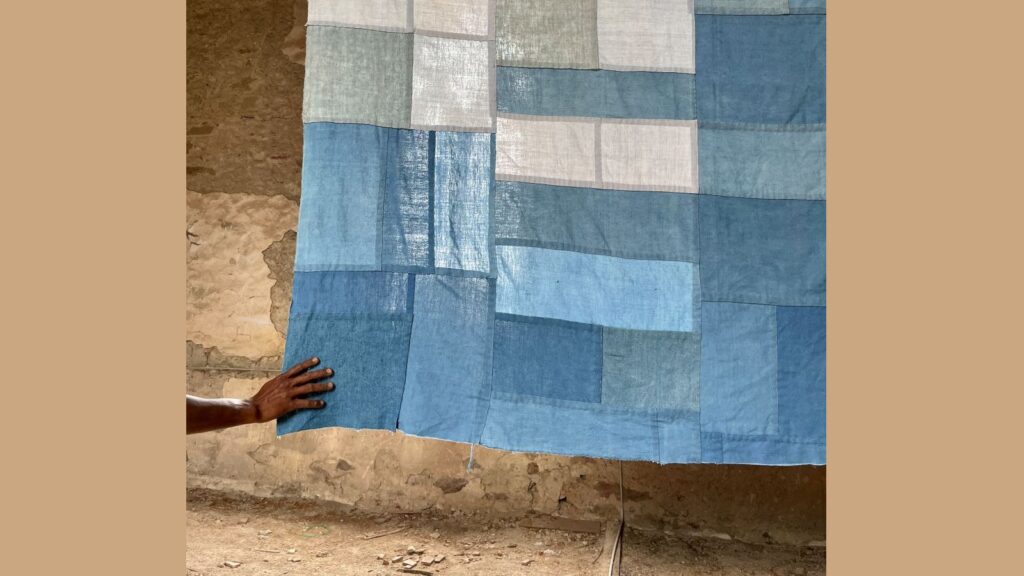
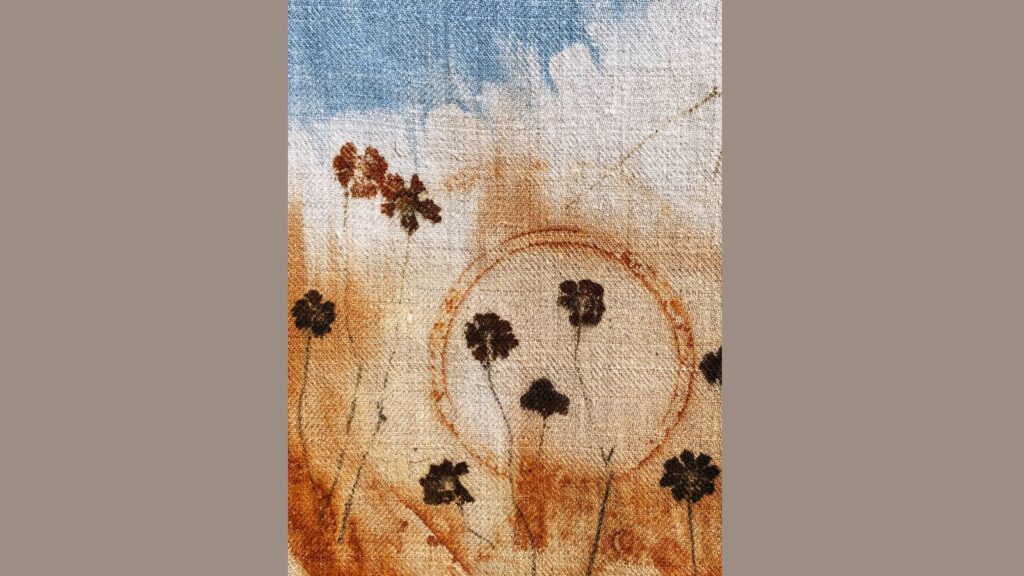
Sky Diary, 2023
Materials: vintage linen, dyed with natural indigo, hand stitched.
Jonatan E. Jurkowski
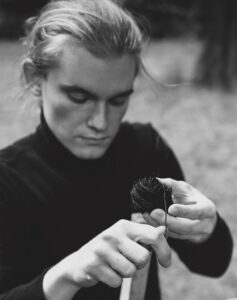
Jonatan E. Jurkowski ,born in 1995 (Stargard, Poland) graduated in 2022 with distinction in the fields of paper and textile art from W. Strzeminski Academy of Fine Arts in Lódz, Poland (ASP in Lódz). He continued his studies in 2023 as a PhD student at the Design Department of the Art Academy in Szczecin, Poland (AS in Szczecin). His studies focus on textile art and design with social and participation aspects. In addition to his native Poland, his works have been exhibited in Germany, Latvia, Colombia, South Korea. His works are currently in the public collections of the Book Art Museum in Lódz and Paper Museum in Duszniki-Zdrój, Poland and in many private collections.
E-mail: jonatan.e.jurkowski@gmail.com
Instagram: @jonatan.e.jurkowski
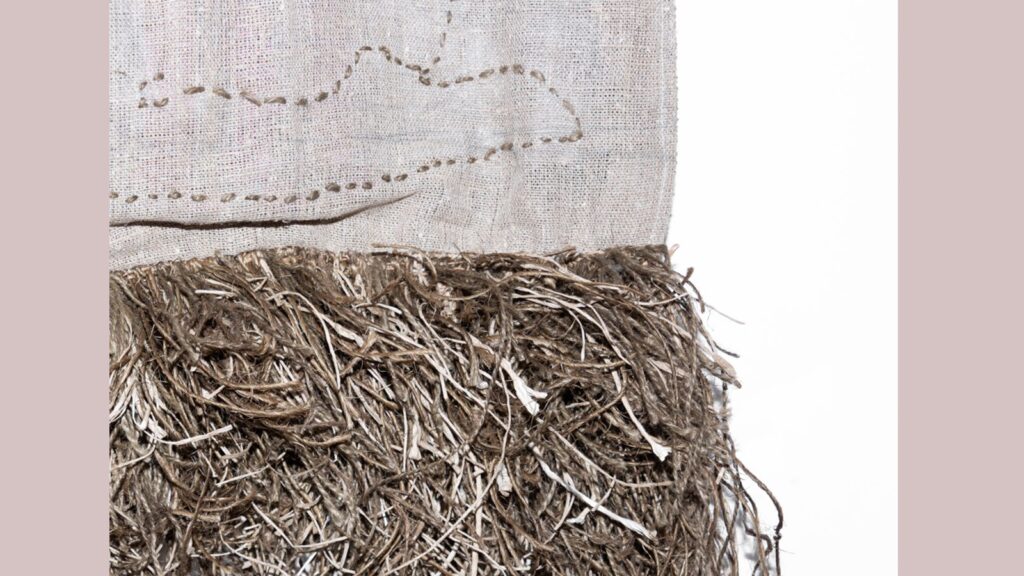
Le radici sono importanti – Roots are important, 2024
Materials: paper, kozo, sisal, jute, linen, polyamid fibre (PA-6), onion skins, greated celadine with alum aron sulphate. Technique: carpet knotting, embroidery, natural dyeing.
Hannele Köngäs
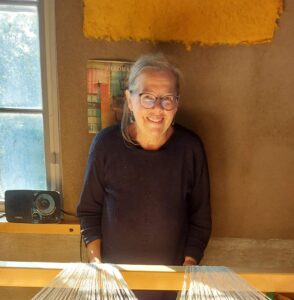
Hannele Köngäs is a weaver, natural dyer and wool enthusiast. She has got her education in weaving and other textile techniques at Åbo Hemslöjdslärarinstitut. After years as a teacher in weaving she opened her own weaving studio at early 2000. Finnish Kainuu grey wool, weaving and different handwoven textures and of course natural dyeing are in her interests.
Address: Kalloistenkatu 6, 20540 Turku, FINLAND
E-mail: hannele.kongas@saunalahti.fi
Website: www.waveweaverswool.fi
Instagram: @kongashannele
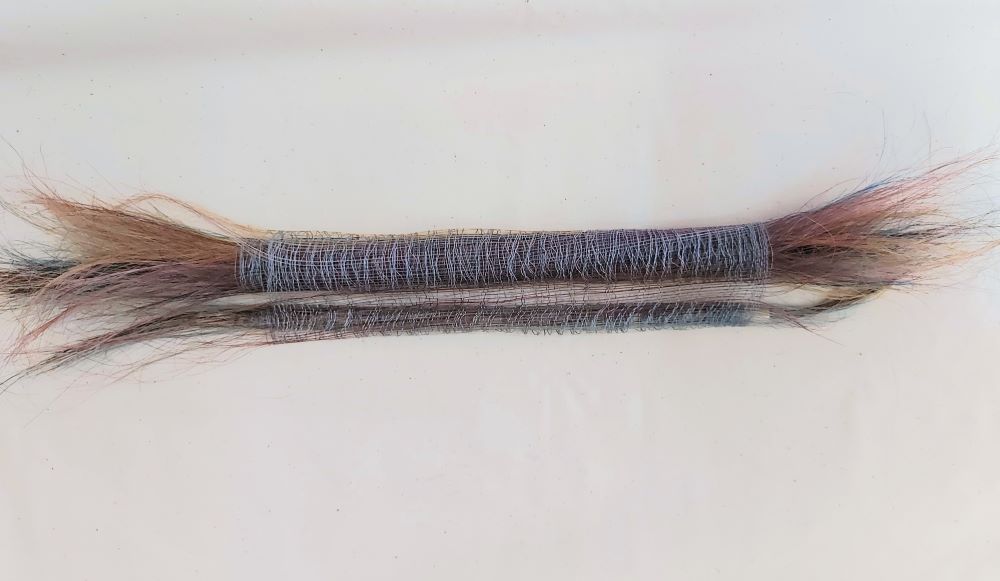
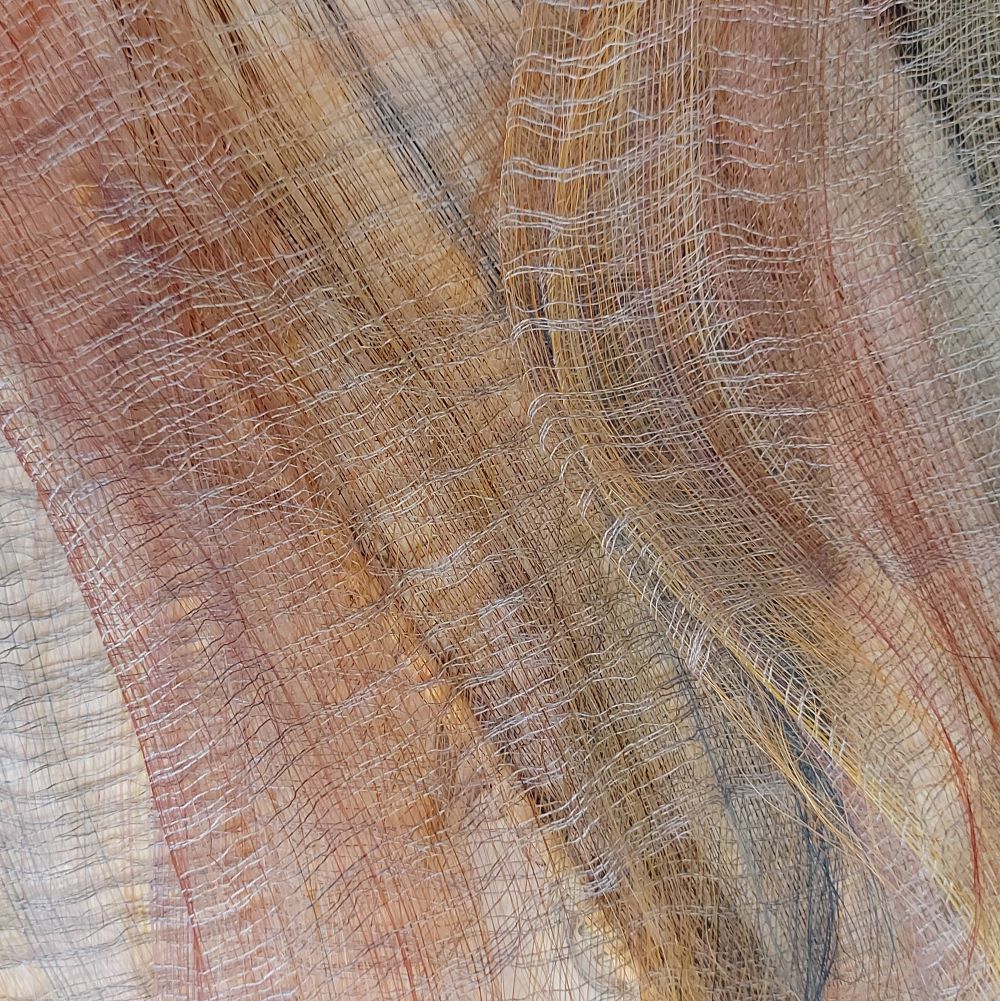
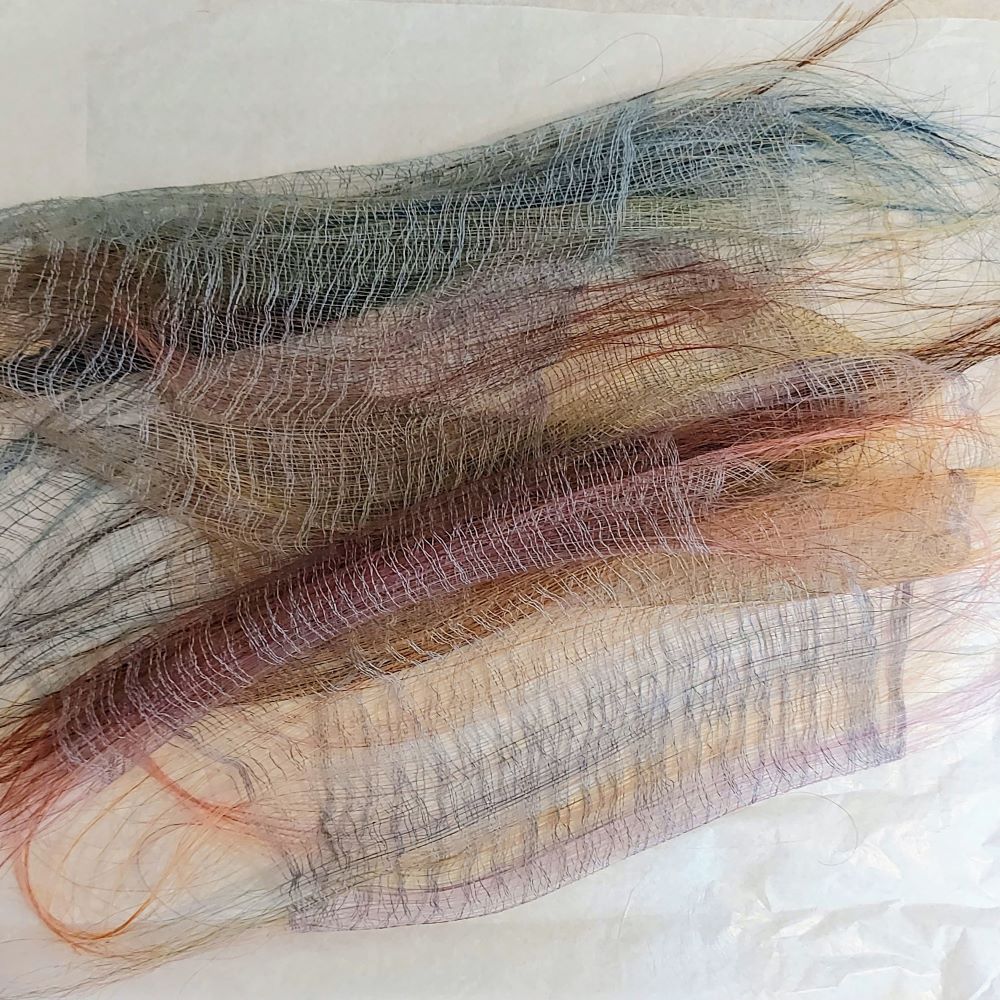
Fragile – Hauras, 2024
Materials: warp silk yarn, dyed with woad; weft natural dyed horsehair.
Tupu Mentu
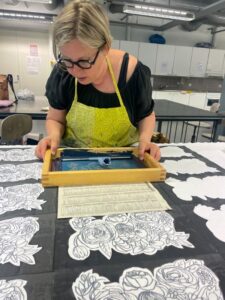
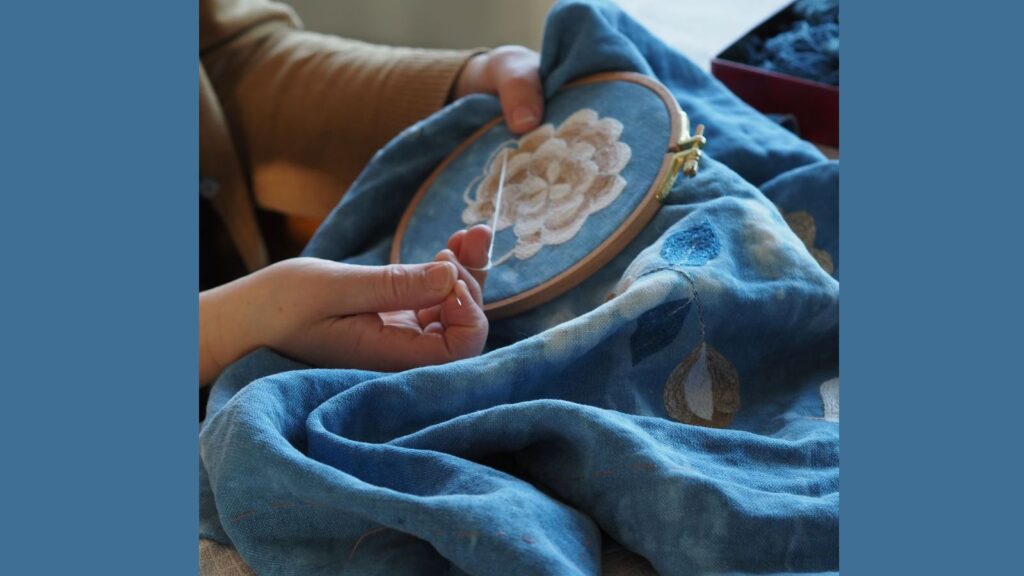
Tupu Mentu was trained as a textile teacher. She identifies herself both as a teacher and an artist – creative work is as important as adult education and working with students. Inspiration to her textile works comes from traditional textiles as well as the contemporary visual world. She uses hand printing, dyeing, embroidery and felting in her works. With slow, meditative stitches she creates floral patterns, birds, human figures and weird felted creatures. Mentu has a small studio and exhibition room at Vuolinko station in Mikkeli which is open for public few weeks every summer.
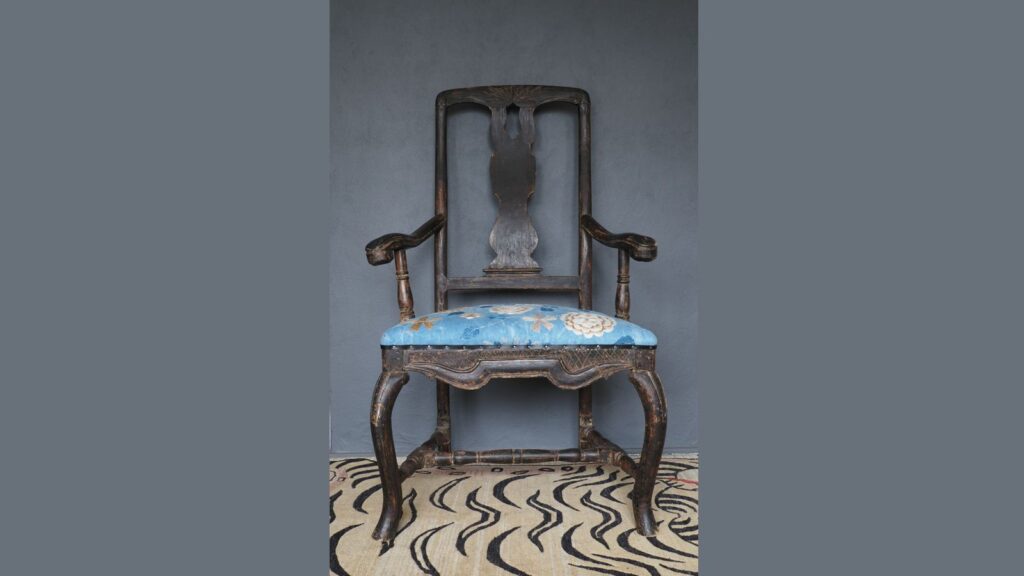
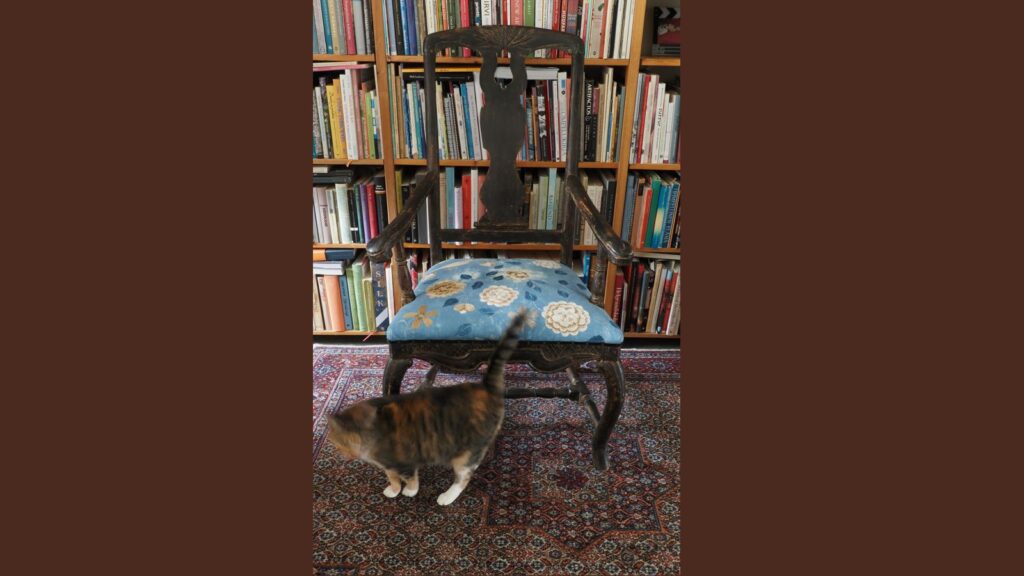
The upholstery fabric of this antique chair has been influenced by Korean and Chinese embroideries which were popular also in Europe in the 17th century. During that period the materials used were also dyed with natural dyes which is such a fascinating thought.
E-mail: tupu.mentu@elisanet.fi,
Phone: +358 503687867
Sit on My Garden – Tuolipuutarha, 2024
Materials: antique chair: linen, silk and cotton dyed with natural indigo, alder cones and bark, black tea and willow bark.
Outi Mäkelä
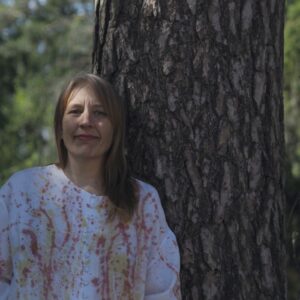
Outi Mäkelä works as a natural dyer and artisan. Additionally, she is a metalsmith and woodturner, and this background often reflects in her creations. Her passion lies in integrating various natural materials and crafting techniques into the art of natural dyeing. Among the techniques of natural dyeing, she finds indigo dyeing with different organic vats and botanical printing particularly fascinating. She aims to use only existing materials in her work, employing methods that are mindful of nature. The textiles she primarily uses are upcycled and vintage fabrics. Plants she incorporates are often gathered from nature or cultivated by her own hand, and through beekeeping, she has learned to consider the needs of pollinators in plant cultivation. Each of her creations represents an exploration into the behavior of colorants, tannins, and metal mordants.
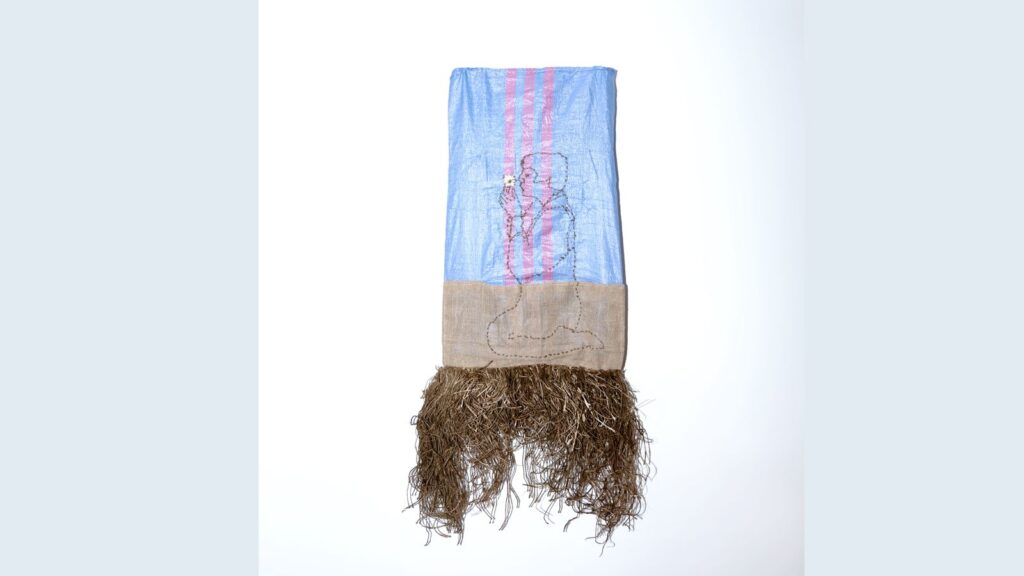
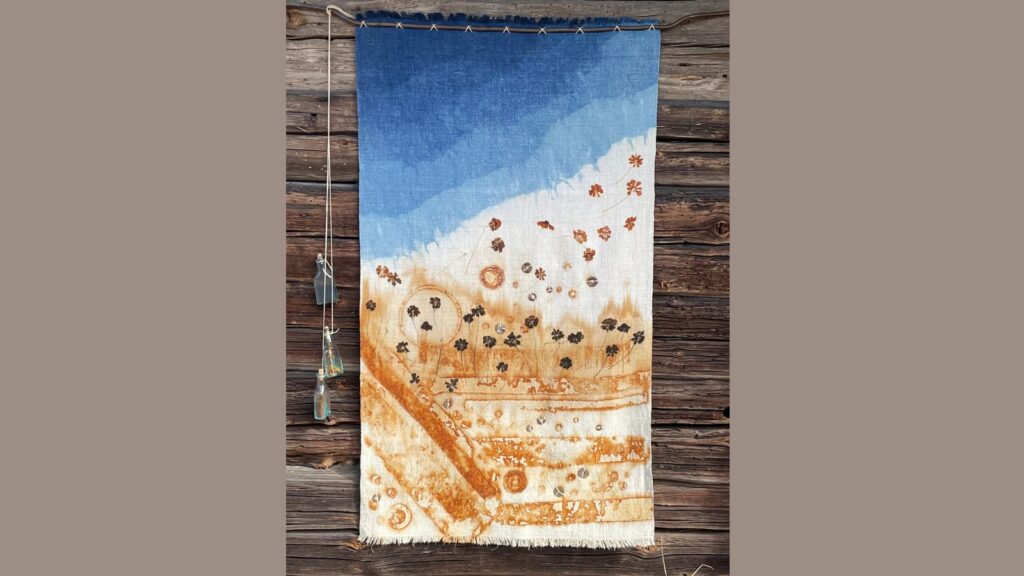
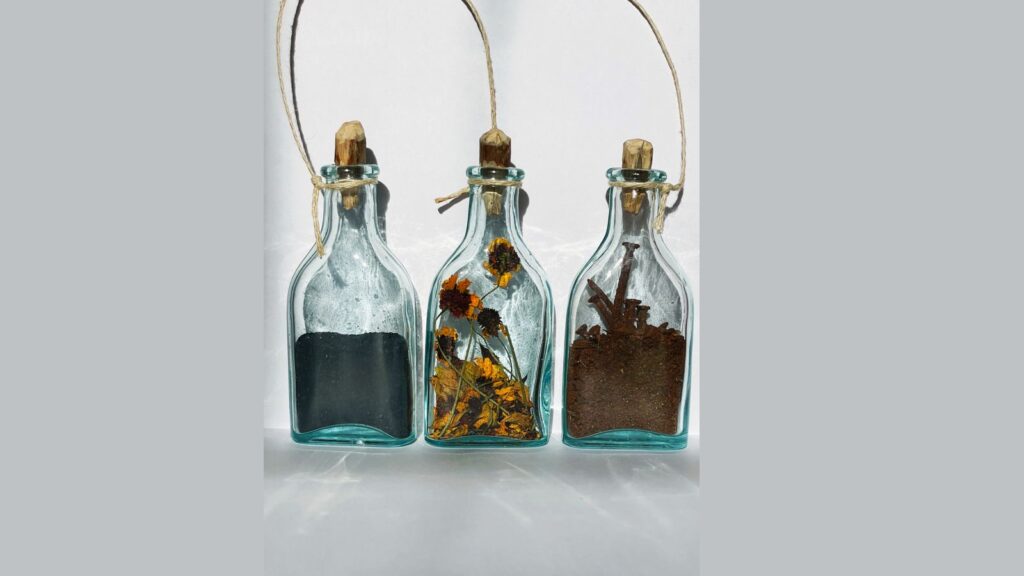
From the ground – Maasta, 2024
Materials: vintage Ukrainian hemp fabric, old bottles (woad pigment, Coreopsis tinctoria, rust), woad in organic honey vat, botanical printing with Coreopsis tinctoria, rust printing.
Nina Nisonen
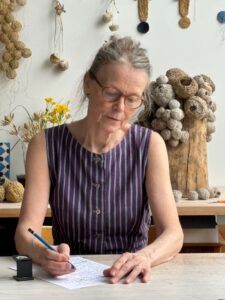
“I work and live in Helsinki.
I have studied in Helsinki at the University of Arts and Sciences (now Aalto University). I studied textile design and graduated as a textile artist in 1980.
I have been an artist since I graduated. At first as a mother of small children with a more limited emphasis on teaching and design work, and for the last 20 years or so, actively as a freelance artist.
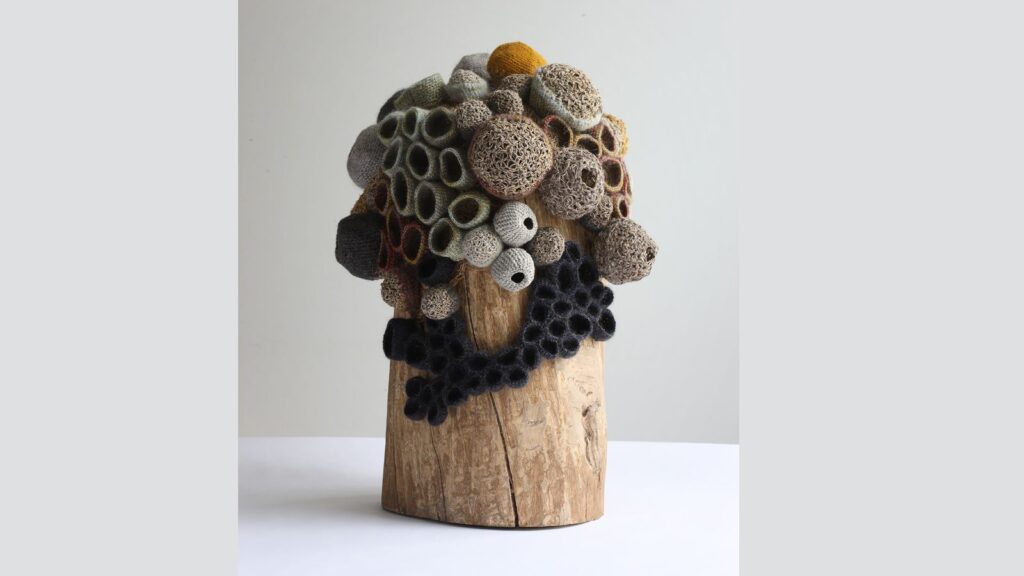
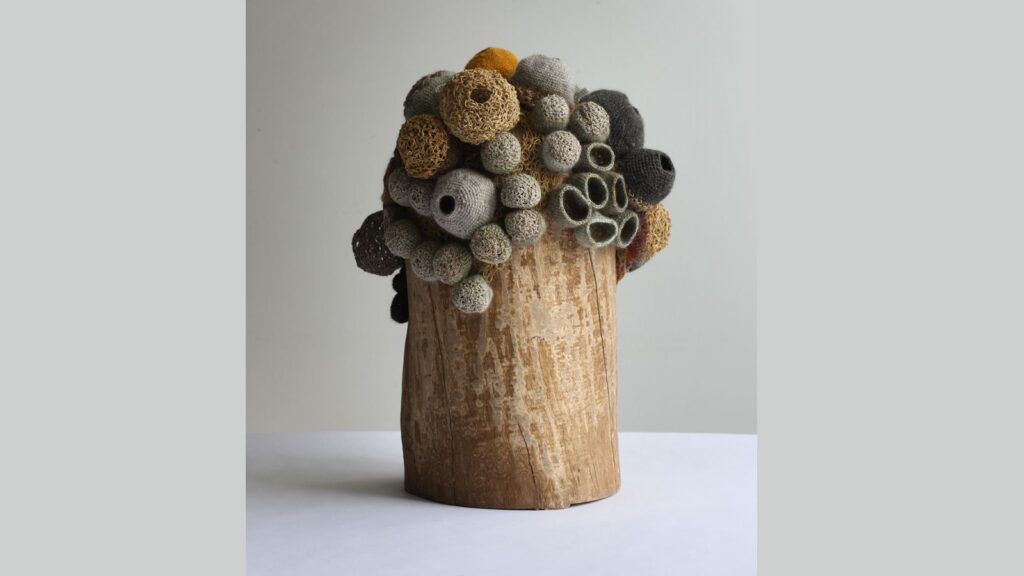
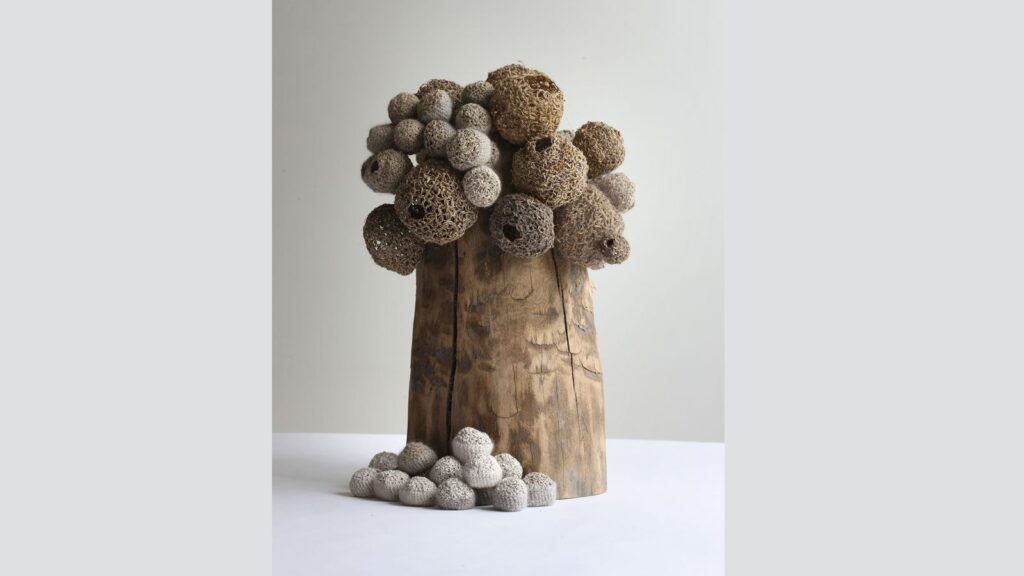
As an artist, I feel like an explorer. When I work, I look for new things and I get to experience the joy of discovery. Enthusiasm for the works in this exhibition was born from the fragile and disintegrating, almost invisible, colorlessness that opens up into colors: gentle shades by slowly looking at them, and expressive materials. I crochet hand-spun nettle, hemp, linen, wool and cotton. I mainly use undyed natural fibers and a little of my own wool dyeing experiments. The game inside the head begins, where the carving ornaments of the caterpillar, cavities, nest holes, lace leaves that have become translucent, mushroom growths, molds and spores are thrown around, new plump buds, nature’s cycle.”
Website: www.ninanisonen.fi
In a Forest I and II- Metsässä I ja II, 2024
Materials: block of wood, croched wool, linen, hand-spun nettle and hemp
Heidi Pietarinen and Amna Qureshi
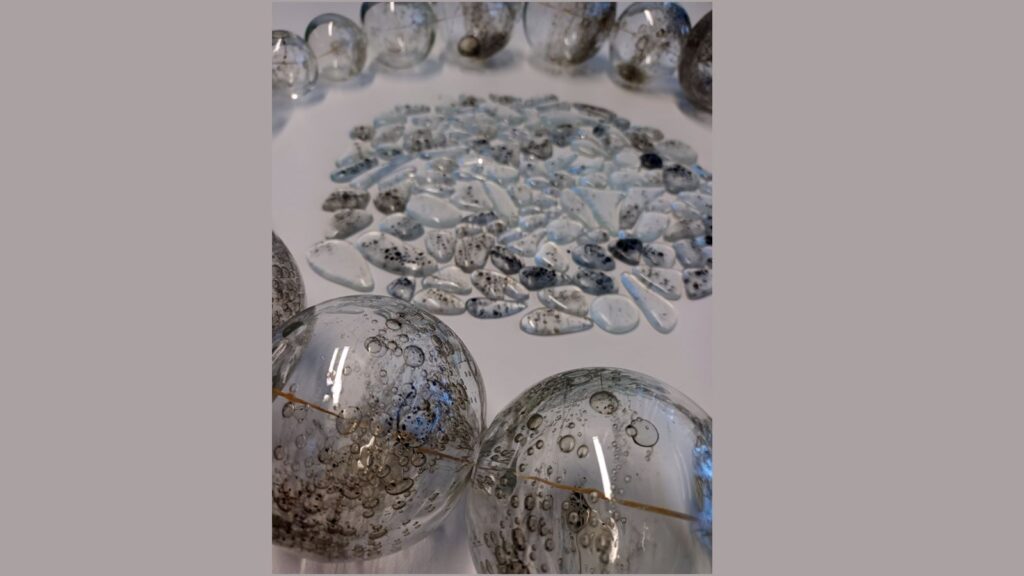
Artist-researchers Heidi Pietarinen and Amna Qureshi from the University of Lapland have conducted in-depth work on the innovative BioARTech laboratory environment and utilisation of available resources for a bioart project called Life Between Art and (Reindeer) Blood. The aim and focus of the project was to utilise reindeer blood as a reindeer herding by-material instead of treating it as waste material. Through the arts-based research (ABR) approach, this research aims to develop activities that integrate environmental biotechnology, bioart, surface pattern design, and science.

Heidi Pietarinen is a professor in the Faculty of Art and Design at the University of Lapland, Finland. She holds a PhD degree in textile art and design and her research has emphasis on knowledge and methods of textile art and design, posthuman design and creative research (art-based research). Her research includes projects, research articles, exhibitions and working groups such as High Altitude Bioprospecting and BioARTech Laboratory.
Phone: +358 40 484 4401

Amna Qureshi holds a PhD in the Arts from University of Lapland, Finland. Her research interests are artistic and art & and design education experiments. In her research she primarily focuses on visual design and design thinking processes. She emphasizes the importance of arts-based research (ABR), to explore creativity and develop new ideas. Additionally, she is interested in bioart trends that offer opportunities for inspiration, curation, raw materials, shared experiences, collaborative practices, and shared authorship.
Email: amna.qureshi@ulapland.fi
Phone: +358 40 563 7116
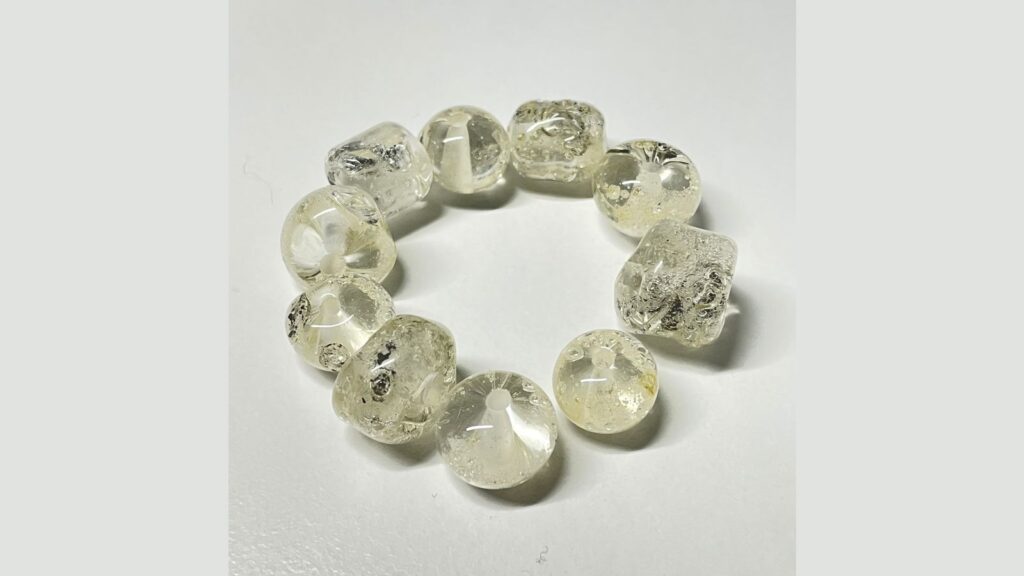
Porohelmi – Reindeerpearl, 2024
Materials: glass, dried reindeer blood and vein thread
Glass blowing: SASKY: Eija Yli-Knuutila, Merja Virta
Arctic raw materials: Aihkiporo
Jeanette Schäring
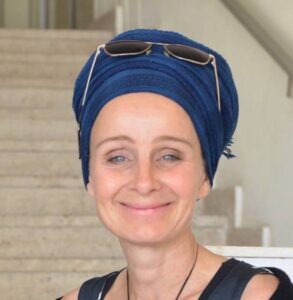
Jeanette Schäring, Viskans Dotter from Borås Sweden is an interdiciplinary Textile Artist, working between art and science. She has an MFA from Gothenburg University and studied two years with the Māori in NZ. Two of her works will be shown at the Textile Museum Borås new permanent sustainable exhibition – REE FASHION
E-mail: j.scharing@gmail.com
Website: jeanettescharing.net
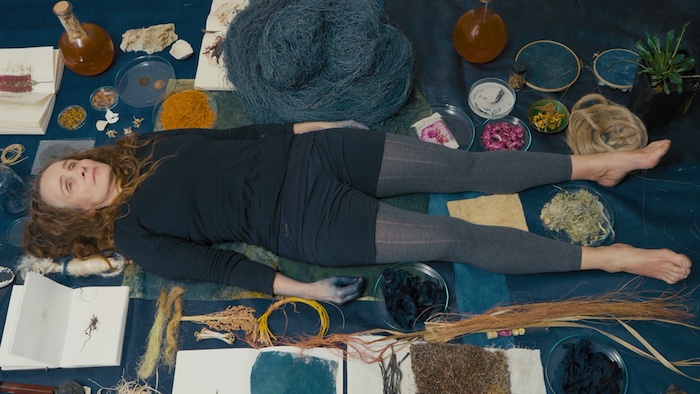
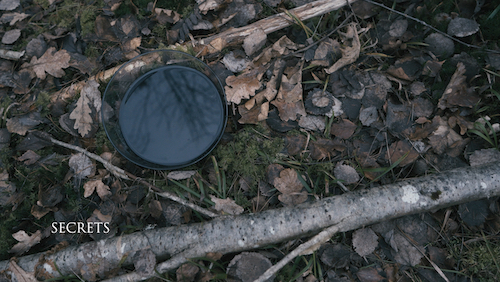
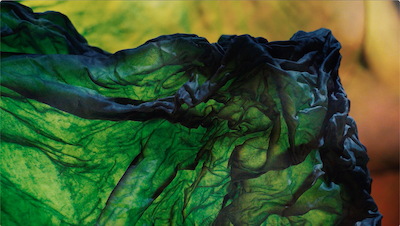
“Everything has its secret. The Sacred Room of blue” video, 2023
Is an ecopoetic essay, where I embrace the poetic and sensual nature of embodiment and highlight the plant colour of indigo and woad through a relationship of interconnectedness and coexistence between different life forms, powerful plants and our collective memories of blue and gratitude. These fermentation of dye vats; microbes – bacteria connect me with a unique complex communication between me, plants, fibres, fungi, and bacteria can meet and thrive. I am interested in the relationships we humans have with microbes – bacteria; a deeper belongings with the more -than -human intelligences that exist in our ecosphere. I have been working with the fermentation process of plants and dye since 2008, especially focusing on woad and indigo.
Katja Syrjä
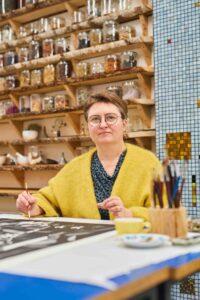
Katja Syrjä is a visual artist based in Åland Islands, Finland. She graduated from the Turku School of Fine Arts in 1997 and from the Finnish Academy of Fine Arts in 2003. Working on her stone lithographs by painting and stitching, Syrjä combines medieval painting traditions with the contemporary context of art. Meticulously following the methods of 14th-century Tuscan painter Cennino Cennini, she creates unique works with natural pigments that she makes from soils, minerals, plants, mushrooms, and mussels collected or grown by herself. In this exhibition at Craft Corner, she has made natural earth pigments mostly from Åland Islands, Finland.
Instagram: @syrjajohansson
Email: katjasyrjajohansson@gmail.com
Website: katjasyrja.fi
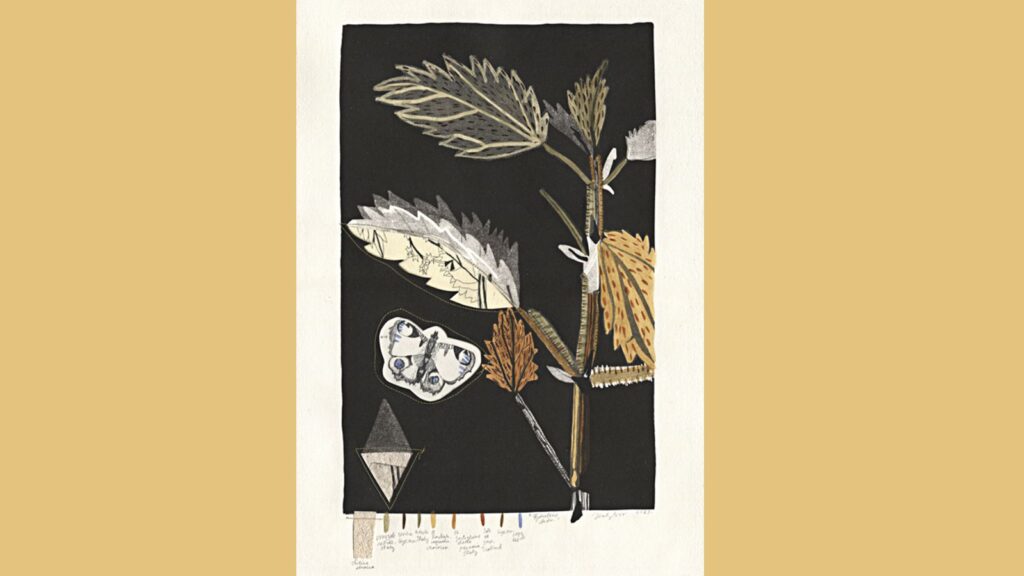
Dream of a Butterfly – Fjärilens dröm, 2023
Stone lithography, etching, stiching, handmade paper of common nettle , natural pigments: Nozzole verde, Italien. Umbra, Cypern. Terre vert, Zecchi, Italy. El Kasbah, Agadir, Marocco. Castiglione della Pescaia, Italy. Isle of Skye, Scotland. lapis lazuli.
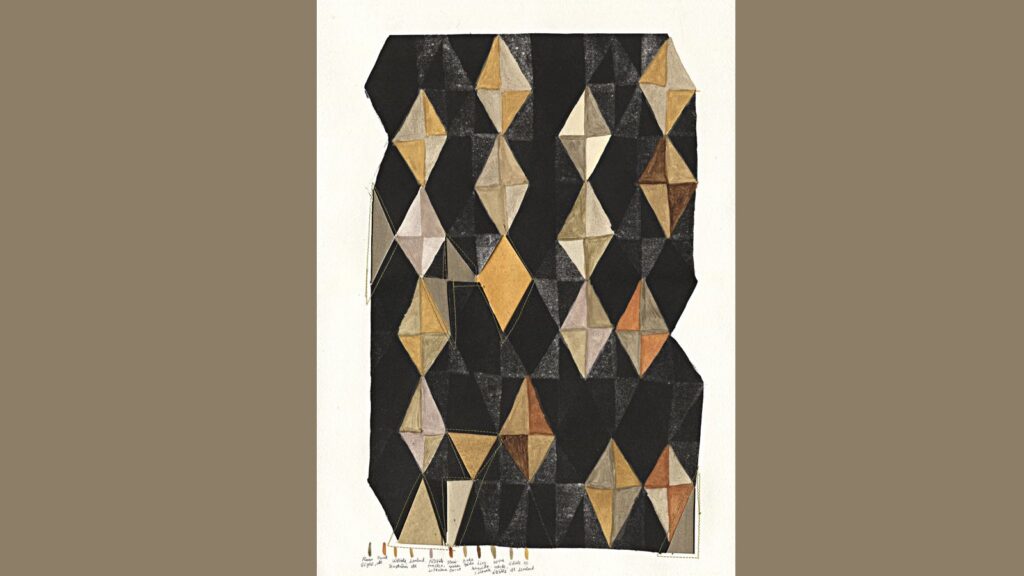
Triangoli, 2024
Stone lithography, etching, stiching, natural pigments from Åland Islands: Raw & Burnt Föglö. Åttböle, Finström. Lemland. Pålsböle snäcka, Finström- Burnt Husöviken, Finström. Bartchgårda, Finström. Långbergsöda, Saltvik. terra verde, Åttböle, Finström. Lemland.
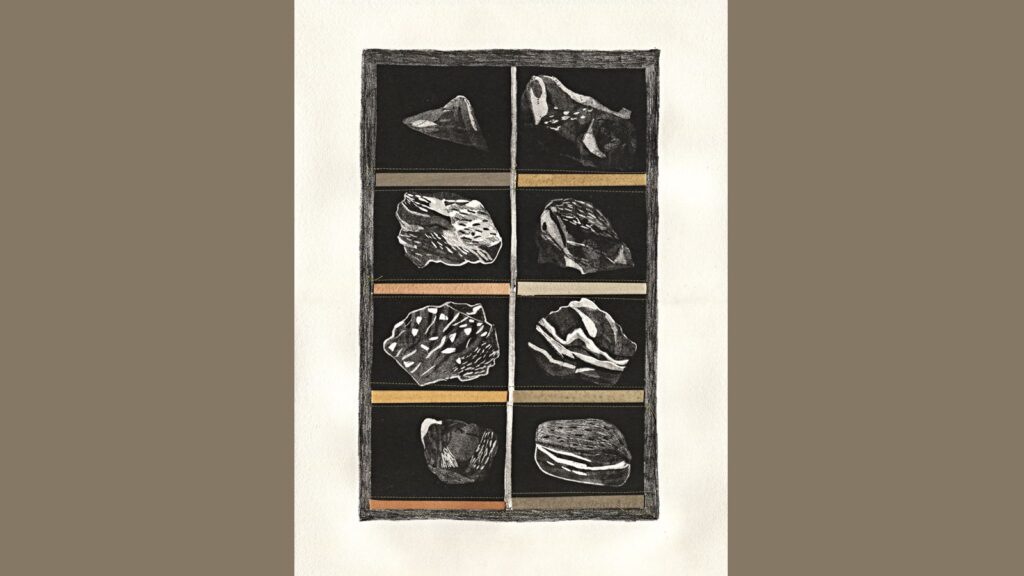
Stones, 2023-2024
Stone lithography, etching, stiching, natural pigments from Åland Islands.
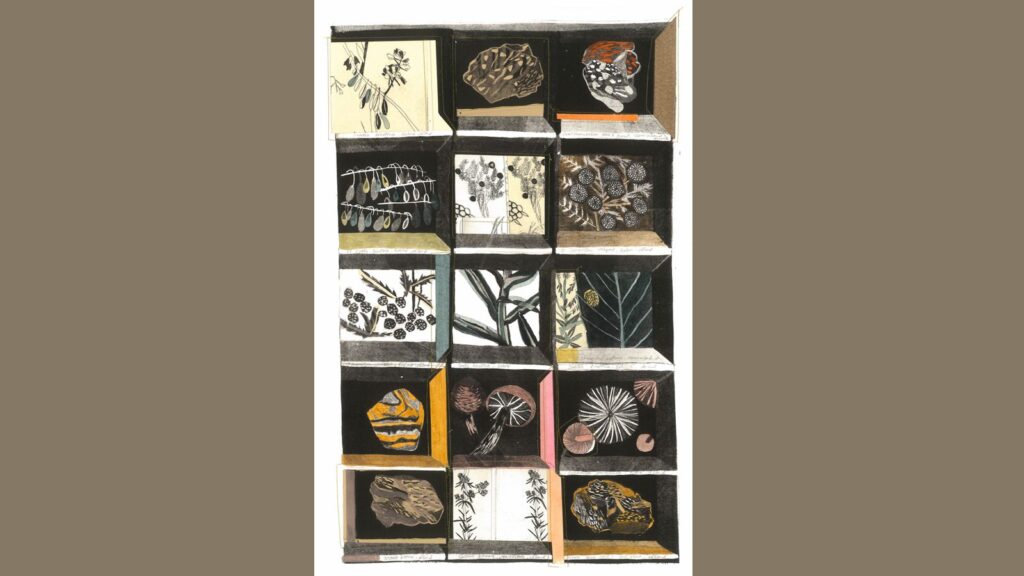
Plate 1/ Systema tinctura, 2023
Stone lithography, etching, stiching, natural pigments from Åland Islands: Isatis tinctoria, Eckerö. Raw & Burnt Ivarskärsfjärden, Finström. Burnt Hammarland. Tanacetum vulgaire, Kökar & Dånö, Geta. Phragmites australis, Hammarland. Raw Lemland. Dermocybe sanguinea, Geta. Pålsböle Litorina. Galium boreale, Markusböle. Åttböle terre vert, Finström.
Krista Virtanen
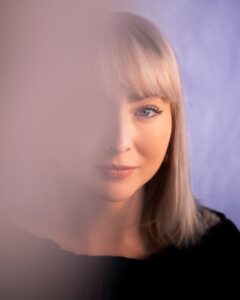
Krista Virtanen is a fashion/textile designer who is trying to find new solutions in fashion and textiles. Working with natural and biodegradable materials and color.
“I want to change the idea that a garment cannot change when the time flows. For me, fashion means breaking boundaries, exploring the world and trends, questioning, and transforming. It is a way to express oneself, art, and physicality. As a designer, I try to change what is possible to change and create pieces that resonate on an emotional level.”
In her creative process, Virtanen emphasizes the importance of working simultaneously with both material and shape. This intuitive approach allows her to explore the inherent qualities of her chosen materials while also experimenting with form and structure.
Now Krista is studying for her master’s at Aalto University in fashion, clothing, and textile design and working as a freelancer.
Instagram: @kristavirtanendesign
Website: kristavirtanendesign.fi
E-mail: info@kristavirtanendesign.fi
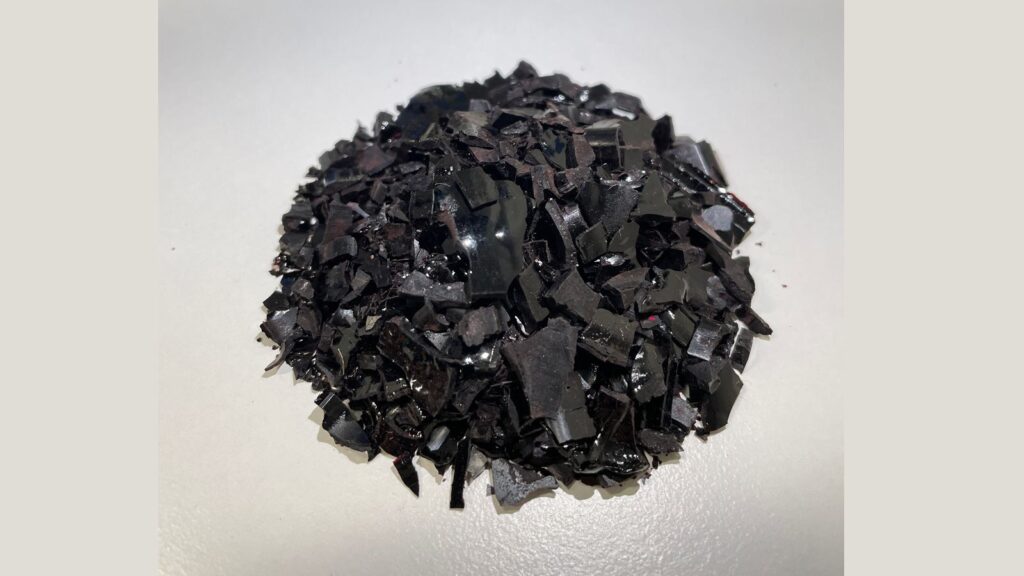
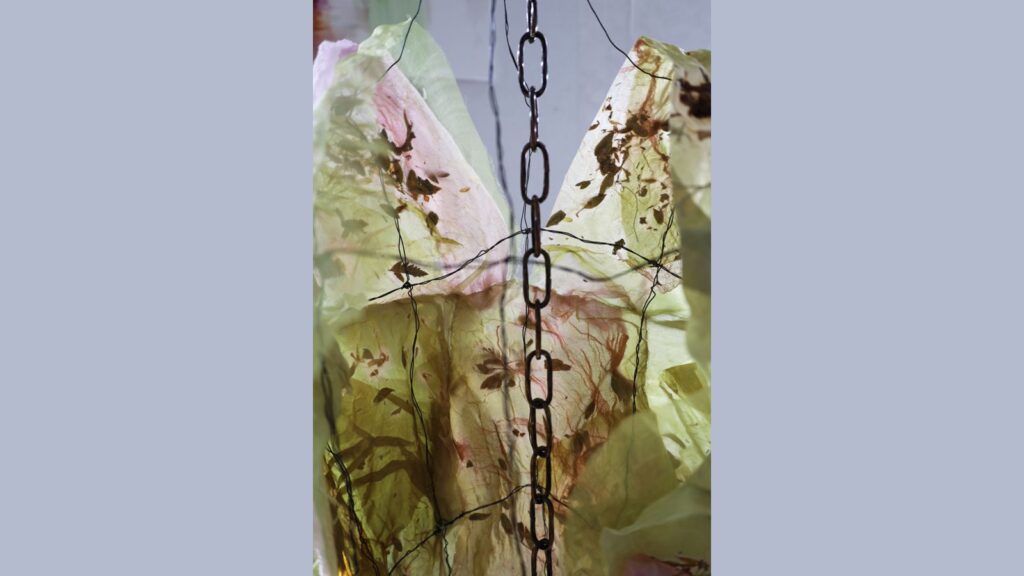
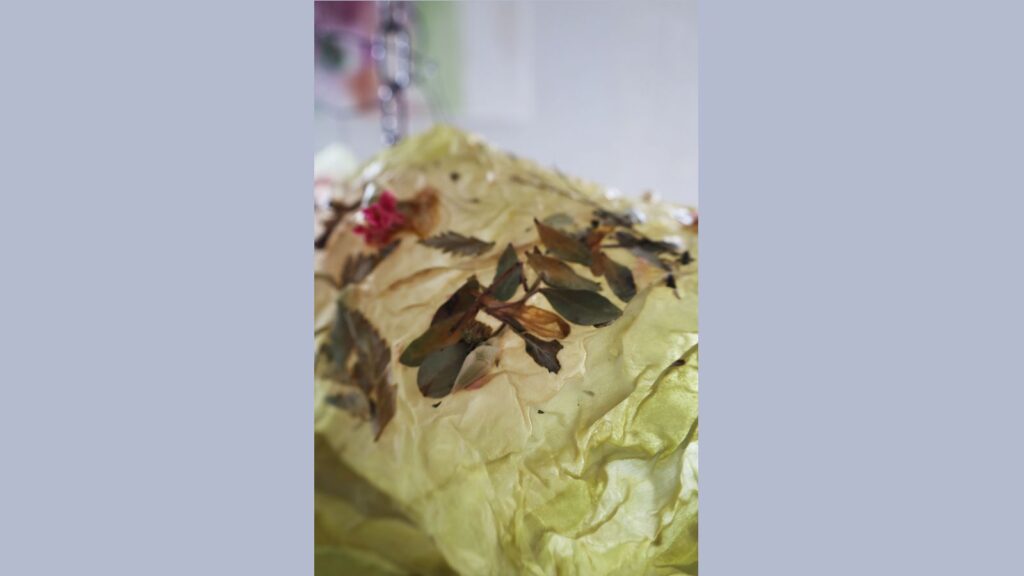
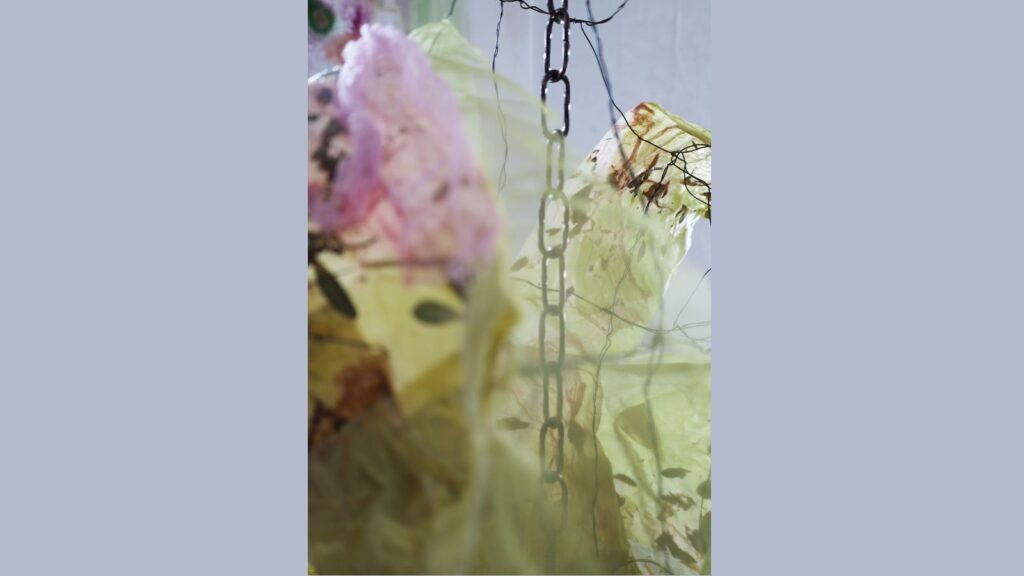
Floral Reminiscence: A Tribute to Loved Ones, 2024
Materials: peace silk organza, surplus cotton, old satin silk shirts from LSJH, own-made bioplastic, old flowers from friends and family, bioplastic yarn from Brightplus Oy. Dyeing: green from red onion peels, pink from madder and red cabbage.