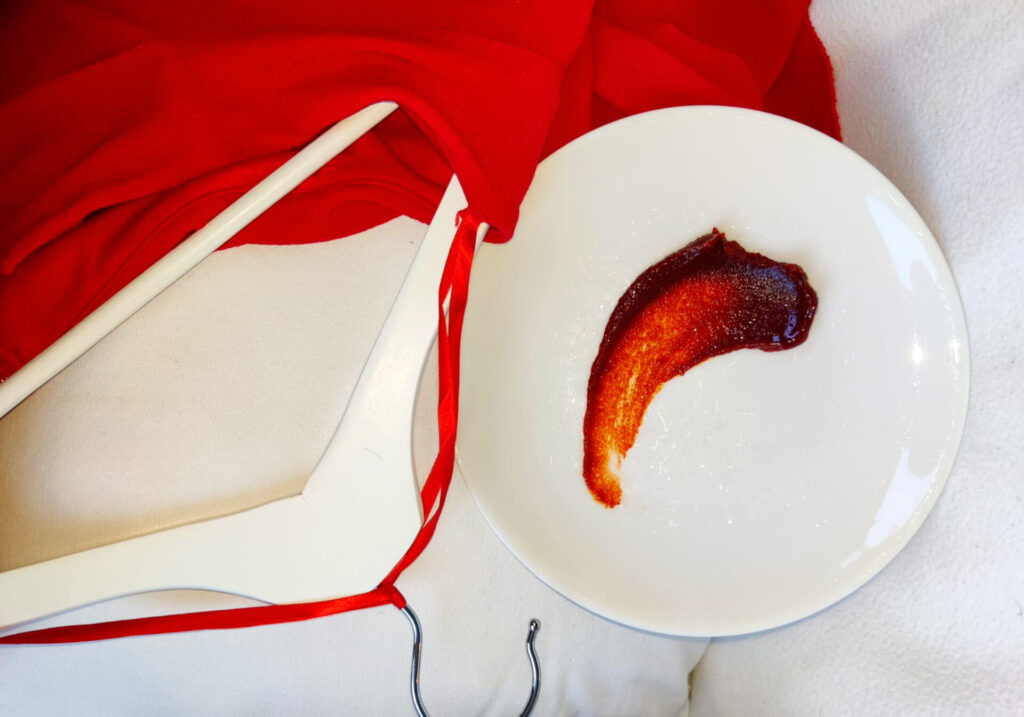
Color meanings are often thought of through visual properties: a red and shiny car, a blue and smooth shirt, a green and soft sofa. The color of the products also takes on material dimensions – shiny, smooth, and soft. In the consumer interviews of the BioColour research project, it has become apparent that consumers rarely consider in more detail what dyes are made of and where does the feel or visual experience of the material come from.
Few consumers know that colors are mainly synthetic, petrochemically produced products from crude oil. These synthetic dyes produce several environmental effects, such as the release of harmful chemicals into water bodies. The ecological burden of synthetic dyes has directed the interest of scientific research to alternative color sources (natural dyes/bio dyes), such as plant and microbial raw materials (e.g., fungi, yeasts, algae). Dyes obtained from the soil and insects are also part of the more sustainable color palette.
The thoughts and impressions of Finnish consumers regarding the use of microbial and insect-based dyes in textile production have been scarcely studied. However, the study by Yli-Heikkilä et al. (2020) showed that consumers’ reception of natural dye sources is positive, but the study also highlighted feelings of disgust and concern for animal rights among consumers.
Concern for animals has been expressed among those following a vegan diet. For example, they avoid honey because of its animal origin. The crimson color extracted from dried cochineal aphids, or Dactylopius coccus insects (E120), which is used, for example, in red fruit preserves, is also among the substances to be avoided. In the consumer interviews of the BioColour research project, it emerged that consumers are suspicious of avoiding synthetic dyes precisely by utilizing insects as a source of color. This is interesting, because the background of the vegan diet is often influenced by animal rights and more environmentally responsible lifestyles. Is it easier for consumers who are concerned about animal rights to accept animal origin in vital nutrition than, for example, in the aesthetic appeal of clothes?
The consumer interviews also revealed a feeling of disgust towards possible bacterial color sources used in clothes. The feeling of disgust caused by bacteria is culturally built – people associate bacteria with bad hygiene and diseases. Microbes are widely used in food production, where the feeling of disgust does not arise in the same way. In fermented milk products, such as cheese, lactic acid bacteria are used, in mold cheeses specially cultivated bacteria (i.e., Penicillium roqueforti), and single-celled fungus microorganism or commonly known as brewer’s or baker’s yeast is used both in baking and in the production of beer and wine. Alongside these, for example, the tea drink kombucha, the napa cabbage side dish kimchi and the chili paste gochujang acquire their special taste as a result of fermentation. In everyday life, many of the aforementioned products are used routinely, and one does not necessarily stop to think about what is behind the taste or composition.
The acceptability of the use of bacteria in foods is rooted in their established use and the manufacturing conditions of the food industry, which has a long tradition. Consumers trust the use of food microbes in the food industry (food hygiene). On the other hand, the utilization of microbes as a source of color in other consumer products is new, and thus unknown to consumers. So, it is possible that hesitation regarding unknown color sources signals fear, even though synthetic, oil-based color sources are accepted at the same time. However, does the consumer stop to think about the origin of the colors of their clothes in their everyday life? In consumer interviews, the attitude towards organic dyes of microbial and insect origin in textiles was mostly acceptable. So, from the consumers’ point of view, starting points for the use of alternative dyes – instead of and alongside synthetic ones – are possible and probable. Especially if consumers learn that the current color scheme was created with unsustainable, oil-based products.
Kirsi Heiniö, text and 📷
The author is a home economics teacher student who works as a research assistant in the BioColour research project this summer.

